MICROGRID

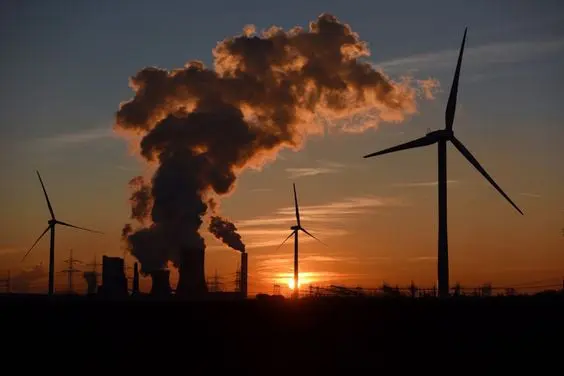
Deep decarbonization of electricity production in Africa is a complex and challenging task, but it is essential to meet the continent's climate goals and to ensure that its growing population has access to reliable and affordable electricity. This is due to;

How it works?

  1. High costs: In Africa, the price of renewable energy is still quite expensive when compared to the cost of fossil fuels. This is caused by a variety of things, such as the expensive infrastructure, the absence of economies of scale, and the requirement for subsidies.
  2. Intermittency: Renewable energy sources like solar and wind energy, are unstable, which means they don't always generate electricity depending on the weather conditions. For example, solar panels do not produce electricity at night, and wind turbines do not produce electricity when the wind is not blowing. Because of this, integrating them into the electrical grid may be challenging.
  3. Infrastructure: The insufficient and unstable electricity grids in Africa make it challenging to incorporate renewable energy sources. This is due to the fact that many African systems lack the high level of grid flexibility that renewable energy sources frequently demand.
  4. Political will: Some African nations lack the political will to put into place substantial decarbonization plans. This is brought on by a number of things, such as the power of fossil fuel interests, the general lack of knowledge about climate change, and the emphasis on economic development.

As InTech Power, we believe despite these challenges there are opportunities in all this especially for energy storage institutions, renewable energy companies, data companies but mostly in the growth of the energy market.


Here are some opportunities;

  1. Storing renewable energy: Renewable energy needs to be stored in lithium batteries or other forms of energy storage, which can help to ensure that it is available when it is needed.
  2. Improving the grid: The electricity grid can be made more flexible to accommodate the intermittent nature of renewable energy. This can be done by investing in new technologies, such as smart grids and ways that can help in data mining in the Africa energy sector for implementation of energy management system.
  3. Using demand response: Demand response programs can help to reduce the demand for electricity during times when renewable energy is not available. This can be done by offering incentives to consumers to reduce their electricity consumption during these times.
Conclusion

It is feasible to achieve deep decarbonization of energy production in Africa, yet it is a difficult process. Africa can take the lead in the world's transition to renewable energy by overcoming the obstacles and utilizing the opportunities. 


Contact Us: If you have any questions or concerns about these Terms, please contact us at support@intechpower.co


© Copyright 2025 Intechpower- All Rights Reserved